


If you’re like most people, a home is the most expensive thing you ever purchase. This makes the home-buying process a bit stressful, especially if you encounter issues during verification of income and employment (VOIE).
Consumer-permissioned data streamlines the buying process by reducing the time it takes to get verified. If your lender uses consumer-permissioned data, you can focus on getting approved instead of worrying about potential delays.
What Is Consumer-Permissioned Data?
Consumer-permissioned data is personal information you share with banks, mortgage lenders and other companies. You must give explicit consent for companies to collect this data, giving you more control over your privacy.
The type of data collected depends on the purpose of the verification. If a lender wants to verify your ability to repay a loan, they collect information about your salary and employment status. Prospective employers use employment verification to confirm the information provided in job applications and resumes.
A company may even need to check your credit score to determine whether you’re eligible for a loan or another financial product.
How Does Consumer-Permissioned Data Impact the Home-Buying Process?
Traditionally, the home-buying process has been challenging for consumers and lenders. Due to government regulations and internal lending policies, lenders must collect a significant amount of information. As a result, mortgage applications tend to be lengthy.
Manual financial verification is time-consuming and prone to errors. If your lender uses a manual verification process, you must provide copies of W-2 forms, bank statements, pay stubs and tax returns. It takes time to review these documents, which often causes delays in the approval process.
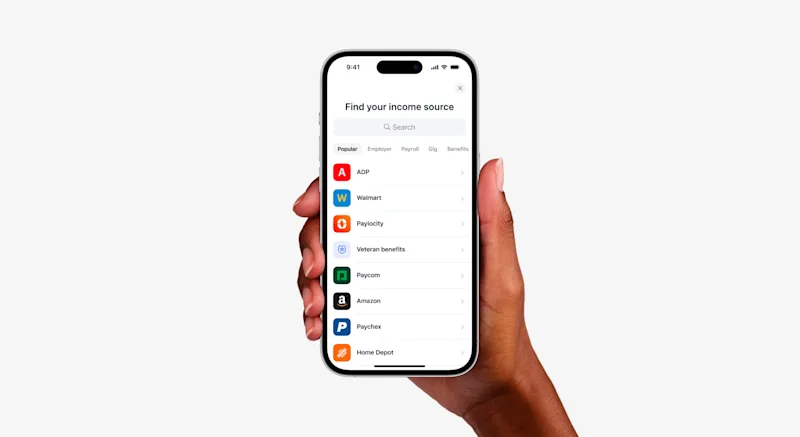
In fact, if you have to email your documents or upload documents to a lender’s portal, the review process may take weeks. With Truv income and employment verification, you can authenticate your income and employment details by logging in to your payroll provider’s website. This takes about 30 seconds and minimizes the need for most buyers to track down documents to fax, email, or upload.
Once you log in, Truv retrieves the data and returns it to your lender right away. Truv’s income verification process works the same way. As a result, consumer-permissioned data streamlines the entire mortgage approval process.
Consumer-permissioned data makes it easier to overcome these challenges, as it allows lenders to connect directly with banks and payroll providers. Consumer-permissioned data makes it easier to perform income verification for mortgage applicants and lets lenders verify your assets in minutes.
Ways Consumer-Permissioned Data Saves Homebuyers Money
Consumer-permissioned data may even help you save money. If lenders can’t verify your income or employment, you may have to pay a higher interest rate. Lenders charge higher rates when they’re concerned about your ability to repay the money borrowed.
Using consumer-permissioned data also saves lenders money. Your lender may pass the savings on to you, reducing your total borrowing cost. In fact, a Freddie Mac study showed that using digital tools in the mortgage origination process saves lenders an average of $2,200 per loan.
Lenders who use Fannie Mae’s Desktop Underwriter® also have the opportunity to save money, as Fannie Mae offers “Day 1 Certainty,” which makes it easier to manage risk. If your lender uses this tool, you may qualify for additional savings.
Consumer-permissioned data may also help you save money by increasing transparency. Traditionally, lenders use databases to perform income and employment verification. Database companies charge up to $123 per borrower ($246 if there are two borrowers).
It’s also common for lenders to perform a second verification before closing, which can increase the total cost of verification to almost $500. Lenders usually include income and employment costs, or fees from databases, in their closing costs.
While not all lenders pass on the costs to verify income and employment to borrowers, it’s important to be aware that this may be an additional upfront cost to look out for when reviewing the total costs of your home loan. The good news is, Truv is designed to save lenders 60-80% on costs compared to the costs of traditional databases.
Note that your costs depend on which lender you choose.
The Benefits Beyond Savings
Saving money isn’t the only reason to use consumer-permissioned data. With consumer-permissioned income and employment verification, lenders can be more confident in their decisions, leading to increased trust between lenders and borrowers. This type of verification also makes each transaction much smoother.
Consumer-permissioned verification gives lenders access to real-time data, so you may even qualify for borrowing options tailored to your situation. Overall, the simplicity and convenience of consumer-permissioned verification make buying a home less stressful.
The Future of Consumer-Permissioned Data in Home Buying
Big data affects every industry, but it’s especially important for banks and mortgage companies. The right data can help lenders reduce their origination costs and minimize the risk of defaults, leading to increased profitability.
In the future, new technology may make it possible for lenders to perform employee verifications even faster than they do now. The United States has also embraced open banking, giving fintech companies the opportunity to develop innovative solutions to common lending challenges.
Consumer-permissioned data streamlines the mortgage approval process, so many lenders and home-buying platforms are incorporating it into their business models.
FAQs
What is the difference between consumer-permissioned data and traditional data?
It’s possible for lenders to access traditional data without your consent. In contrast, a lender must have your explicit consent to use consumer-permissioned data.
How do I give permission for my data to be used in the home-buying process?
If your lender uses consumer-permissioned verification, you can give permission by logging in to your bank or payroll provider and authorizing the release of your personal information.
Can consumer-permissioned data help me get better mortgage rates?
Yes, consumer-permissioned data increases transparency and helps lenders manage risk, so you may qualify for lower rates if your lender uses it.
How secure is my personal data in the home-buying process?
If your lender uses consumer-permissioned verification, your data is extremely secure. Consumer-permissioned data platforms use cutting-edge security measures to protect sensitive information.
Is consumer-permissioned data available for all types of home loans?
Consumer-permissioned data is available for all types of home loans, but not all lenders use it. If you want to enjoy the benefits of consumer-permissioned data, pick a lender who uses this type of verification.


